

Feng Shui Colors: What Each Hue Means and Where to Use It
Color is one of the most direct levers in feng shui, more immediate than furniture placement, more accessible than architectural renovation. In classical Chinese cosmological thought, each color carries a specific charge of qi (vital energy) and connects to one of the five fundamental elements: Wood, Fire, Earth, Metal, and Water. Choosing the right hue for a given space is not decoration for decoration's sake. It is a considered act of alignment between the room's function, its cardinal orientation, and the kind of energy you want to cultivate there.
Feng shui colors have been used for centuries to shape the quality of daily life, in imperial palaces, monastery courtyards, and ordinary homes alike. The tradition is grounded in Taoist cosmology and the Bagua, the eight-trigram map used to read the energetic layout of a space. Understanding these connections does not require years of study. It requires knowing what each color represents and where it genuinely belongs.
⭐ Key Takeaways
- Every feng shui color corresponds to one of the five elements (Wood, Fire, Earth, Metal, Water).
- The Bagua map guides which colors suit which areas of your home.
- Warm reds and oranges activate energy; cool blues and greens invite calm and growth.
- White and metallic tones belong to the Metal element: clarity, precision, and fresh starts.
- Color does not work in isolation, it combines with light, material, and intention.
The Five Elements and Their Colors
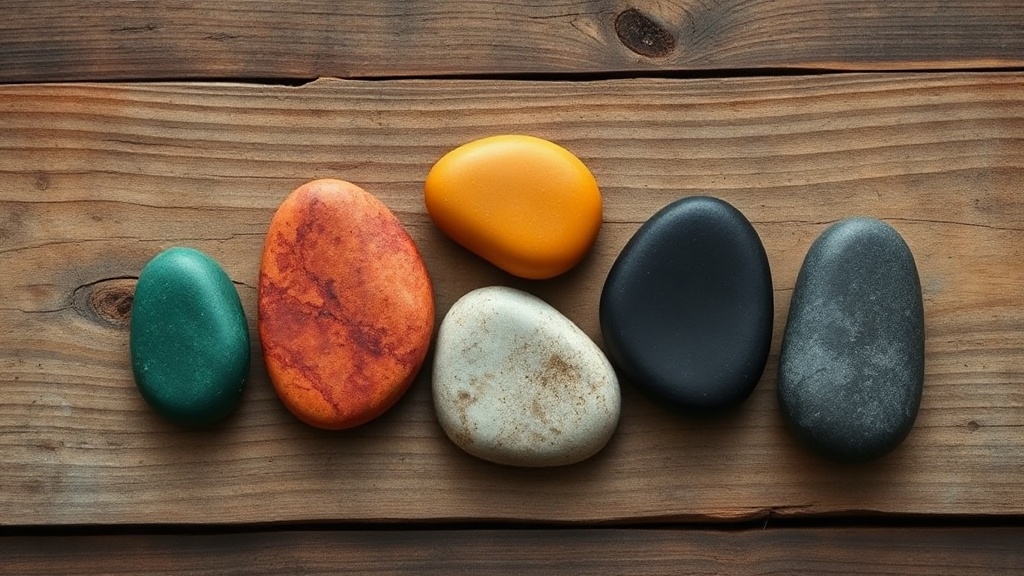
The five-element framework (Wu Xing) is the backbone of classical feng shui. Each element governs specific qualities of energy, specific life areas on the Bagua, and specific palettes. Before choosing a color for a room, it helps to know which element you are working with and what it is meant to support.
| Element | Primary Colors | Qualities | Bagua Areas |
|---|---|---|---|
| Wood | Green, Teal | Growth, flexibility, new beginnings | Family, Wealth |
| Fire | Red, Orange, Pink, Purple | Passion, visibility, warmth | Fame, Recognition |
| Earth | Yellow, Ochre, Beige, Brown | Stability, nourishment, grounding | Health, Partnership |
| Metal | White, Gray, Silver | Clarity, precision, efficiency | Helpful People, Children |
| Water | Black, Deep Blue, Navy | Depth, wisdom, flow | Career, Life Path |
These associations are not arbitrary. In Taoist thought, each element exists in a productive cycle (one feeds the next) and a controlling cycle (one restrains another). Using too much of one element's color in a space can create imbalance; combining elements thoughtfully produces harmony.
Red and the Fire Element: Warmth, Presence, and Care
Red is the most recognized feng shui color in the West, largely because of its role in Chinese New Year celebrations and temple architecture. In the five-element system, red belongs to Fire, the element associated with visibility, social warmth, and recognition. The Fame and Reputation area of the Bagua (south sector) is Fire's natural home, and a red accent wall, artwork, or textile in that area is considered a classical application of this principle.
Red works well in living rooms, dining spaces, and entry halls, places where social energy naturally circulates. It is used sparingly in bedrooms in most feng shui schools, since its stimulating quality can work against rest. A single red pillow or painting carries the element without overwhelming the room's function.
💡 Did you know?
The gates of the Forbidden City in Beijing were painted red not simply for aesthetics, red was the imperial color of the Ming and Qing dynasties, believed to concentrate yang energy and ward off inauspicious influences. The tradition of red doors in Chinese architecture carries this same logic into domestic space.
Green and Blue: The Wood and Water Colors
Green is the color of Wood, the element of growth, renewal, and upward momentum. In the Bagua, it governs the Family and Ancestors area (east) as well as the Wealth area (southeast). A living room with east-facing windows dressed in sage green or forest teal is drawing directly on Wood energy: the kind that supports steady growth over time rather than sudden bursts.
Practically, green and teal work in almost any room where calm, focused growth is the aim: a home office, a studio, a children's study space. It pairs naturally with wooden furniture and indoor plants, which are themselves Wood-element additions.
Blue, especially deep navy or indigo, belongs to the Water element. Water governs the Career and Life Path area of the Bagua (north sector). It carries qualities of depth, introspection, and adaptability. A north-facing hallway or home office in deep blue, charcoal, or black-accented tones is a considered feng shui choice for someone who wants to deepen their professional focus or creative practice.
Yellow, Ochre, and Brown: Earth Tones as Foundation
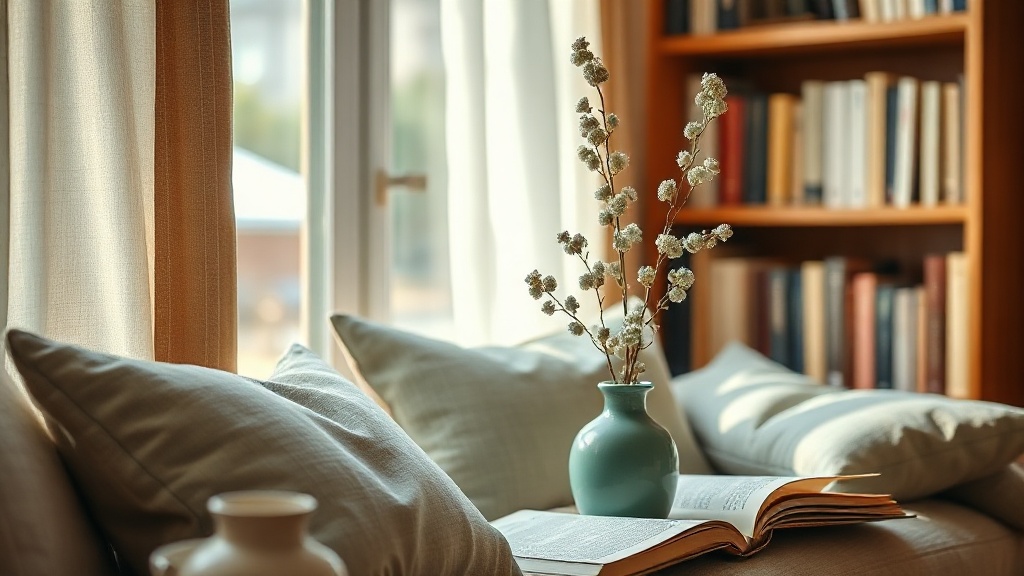
Earth tones, warm yellows, terracotta, sandy beige, and deep brown, connect to the Earth element. In feng shui, Earth governs stability, nourishment, and the center. The center of the Bagua (health), as well as the southwest (partnership) and northeast (knowledge), are all governed by Earth energy.
These colors are among the most versatile in the feng shui palette. They do not activate or stimulate; they ground. A kitchen in warm ochre, a meditation space with sand-colored walls, a bedroom anchored by terracotta textiles, each of these creates a physical and psychological sense of being held. Earth tones are particularly useful when a space feels scattered or unstable.
Yellow holds a special status in East Asian tradition. In imperial China, bright yellow was reserved for the emperor alone, it represented the center of the universe, the point where Heaven and Earth meet. In contemporary feng shui, yellow and gold carry that centering quality without the hierarchical weight, making them well-suited to shared family spaces and dining rooms.

🗂️ Explore the Collection
Feng Shui Decor
Objects chosen for their five-element grounding, a tangible way to bring color symbolism into your daily environment.
81 références
Discover the collection →White, Gray, and Silver: Metal's Quiet Power
White in Western design often reads as absence, a neutral backdrop. In feng shui, white is active. It carries the Metal element, associated with clarity, precision, freshness, and the ability to cut through complexity. The Helpful People area (northwest) and the Children and Creativity area (west) are Metal's Bagua zones, and white, silver, or pale gray are their natural colors.
A white and silver home office supports mental clarity and decisive thinking. A white-walled bathroom or kitchen keeps Metal energy flowing cleanly. In Zen and Chan Buddhist interior traditions, white space (Ma, or negative space) is not emptiness but potential, a related sensibility, though a distinct one from classical feng shui.
Gray sits between black and white, carrying both Water and Metal qualities depending on its depth and warmth. Cool, light gray reads closer to Metal; deep charcoal approaches Water. This gradient makes gray one of the most flexible colors in a feng shui palette, useful in transitional spaces like hallways and stairwells.
Black and Deep Tones: The Depth of Water
Black is one of the most misunderstood feng shui colors in Western contexts, where it is often associated with mourning or heaviness. In the five-element framework, black belongs to Water, the element of depth, wisdom, and the Career area of the Bagua. Used with intention, black adds weight and focus to a space rather than draining it.
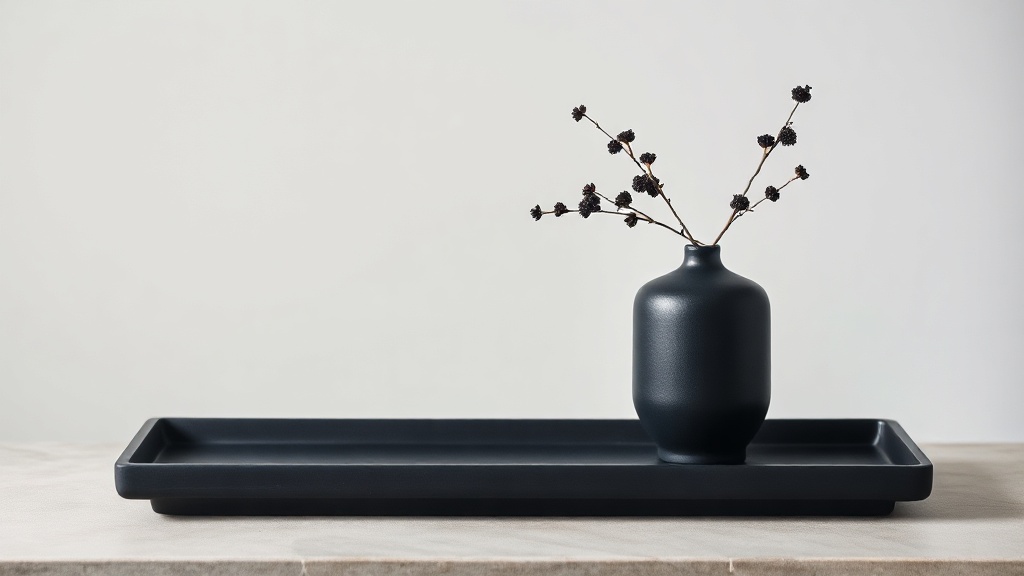
A single black accent in the north sector of a home, a vase, a console, a piece of wall art, concentrates Water energy without overwhelming the room. Black should generally be supported by other elements rather than used alone across large surfaces. Pairing it with Wood colors (green, teal) mirrors the natural productive cycle: Water feeds Wood.
"The ten thousand things rise and fall without cease, creating, yet not possessing, working, yet not taking credit, work is done, then forgotten. Therefore it lasts forever."
Tao Te Ching, Chapter 2, on the nature of balance and the interplay of opposites
Applying Feng Shui Colors Room by Room
The Bagua map is overlaid on the floor plan of a home, with the north aligned to the main entrance in the BTB (Black Sect Tantric Buddhist) school of feng shui, or to true north in the classical compass school. Once the map is in place, color choices become more specific:
- Entry hall (north): Water colors, black, navy, deep blue, support career energy as the first zone encountered. A dark wood console with a black ceramic vase is a classic combination.
- Living room (center/south): Earth tones for stability, with Fire accents (red, orange) in the south sector to support warmth and social connection.
- Kitchen: Earth and Fire work well here, warm yellows, terracotta, and occasional red accents reinforce nourishment. Avoid excessive Water (blue, black) in the kitchen, as Water extinguishes Fire in the productive cycle.
- Bedroom (varies): Earth and soft Wood tones are most often recommended, they support rest without stimulating excess activity. Deep reds and bright oranges are used sparingly if at all.
- Home office: Metal (white, gray) for clarity, or Wood (green) for sustained growth. The choice depends on whether precision or creativity is the primary aim of the work done there.
- Bathroom: Metal or Water colors keep the energy clean and flowing. Avoid Earth tones that might make the space feel heavy and stagnant.

🗂️ Explore the Collection
Feng Shui Wall Art
Wall art curated for its elemental symbolism, a precise way to introduce feng shui colors without repainting a single wall.
Voir la collection
Discover the collection →Color, Light, and the Limits of Rules
Classical feng shui texts were written for specific climates, architectural traditions, and ways of living that differ substantially from a modern apartment in London or Chicago. Applying feng shui colors today is an act of thoughtful adaptation, not mechanical rule-following. Natural light changes how any color reads throughout the day; a deep navy in a sun-drenched south-facing room carries a very different charge than the same color in a dim north-facing one.
The productive and controlling cycles of the five elements give a framework, but they are not a checklist. If a color genuinely makes a space feel calmer, warmer, or more focused, that lived experience is data worth taking seriously alongside the classical map. Feng shui has always been a practical discipline, the classical masters adjusted their recommendations based on what they observed in real spaces and real lives.
What the system offers above all is a language for thinking about color with intention. Rather than choosing a palette based solely on trend or aesthetic preference, feng shui colors invite the question: what quality of energy does this room need, and which hue most honestly embodies that quality?
Frequently Asked Questions
What is the best feng shui color for a bedroom?+
Earth tones, warm beige, terracotta, soft brown, and muted Wood colors like sage green are most commonly recommended for bedrooms in feng shui. They support rest without stimulating excessive yang energy. Bright reds and vivid oranges are generally avoided in the bedroom for the same reason they work well in dining rooms: they activate rather than settle.
Is black bad luck in feng shui?+
No. Black is the color of the Water element and is associated with depth, wisdom, and the Career area of the Bagua (north sector). It is considered inauspicious only when used in excess or in the wrong elemental zone, for example, large amounts of black in a kitchen, where Fire energy is central. Used as an accent in north-facing spaces, black is a legitimate and useful feng shui color.
Do I need to repaint my walls to apply feng shui colors?+
No. Wall color is the most impactful change, but it is by no means the only one. Textiles, cushions, curtains, artwork, plants, ceramics, and decorative objects all introduce elemental color into a room. Many practitioners begin with these smaller, reversible changes before committing to a full repaint.
What feng shui color attracts wealth?+
In classical feng shui, the Wealth area of the Bagua corresponds to the southeast sector and is governed by the Wood element, making green and teal the primary colors associated with it. Purple (a Fire element color) is also traditionally linked to wealth and abundance. These associations belong to the cosmological framework of feng shui, not to any empirically verifiable effect.
How do feng shui colors relate to the Bagua map?+
The Bagua is an eight-sector map overlaid on the floor plan of a home or room. Each sector corresponds to a life area (career, family, health, wealth, etc.), an element, and a set of associated colors. Choosing a color for a room based on its Bagua sector means reinforcing the element that governs that life area. For example, the south sector (Fame, Recognition) is Fire, so red or orange tones in a south-facing living room wall reinforce that element's quality.


